Let the tambora lead: how Sinaloan banda learned to fill the street.
A look at the drum that gives the sound its name, the brass and a repertoire bigger than one label.
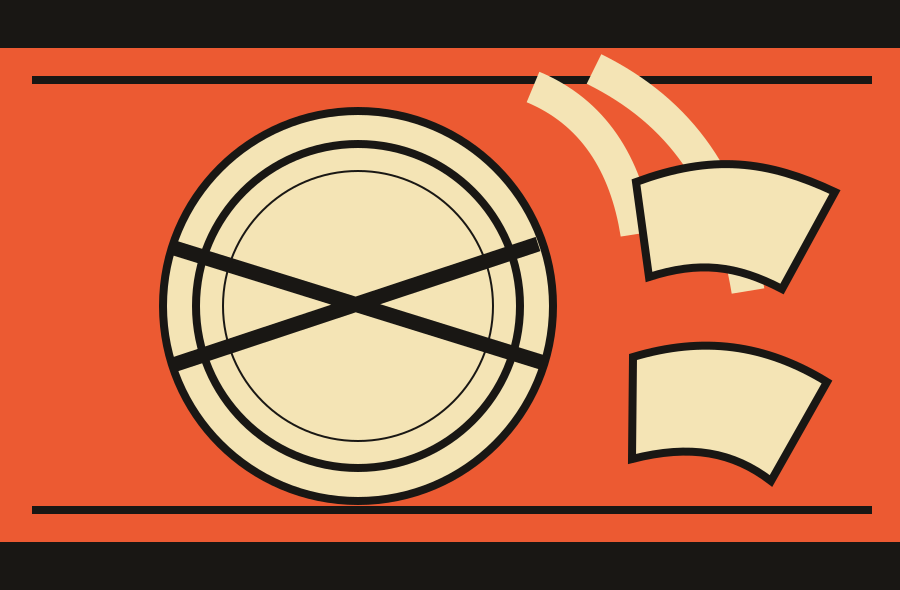
The tambora is more than a metaphor for making noise. It is a bass drum with two heads and a mounted cymbal, central to Sinaloan banda. Smithsonian Folkways explains that its beat both anchors and ornaments the pulse. That push and response can identify the sound before a voice enters.
The Folkways collection Bandas Sinaloenses: Música Tambora mainly gathers recordings from the 1950s and 1960s. Its credits include brass, clarinet, trombone and percussion. Banda does not need a lead guitar: the air moving through the horns and the physical weight of the rhythm are part of its identity.
The collection moves through sones, waltzes, polkas, marches, boleros and ranchera songs. “El Sinaloense” is listed as a son, “Sobre las Olas” as a waltz, and “Marcha Zacatecas” carries its form in the title. The range challenges the idea that banda is one dance formula or merely a singer’s backing group.
Smithsonian says these recordings circulated widely through Mexico after World War II. That reach changed the scale of a regional practice without erasing its Sinaloan roots. The catalog includes groups connected to Culiacán, Mazatlán, El Limón, Mocorito and other places.
Our reading: banda is built for presence. You feel the tambora in your body, and the horns can fill a plaza before the words register. On record, on a big stage or in a new collaboration, that force changes scale and context. The archive reveals rhythmic choices and arrangements behind the tradition.